
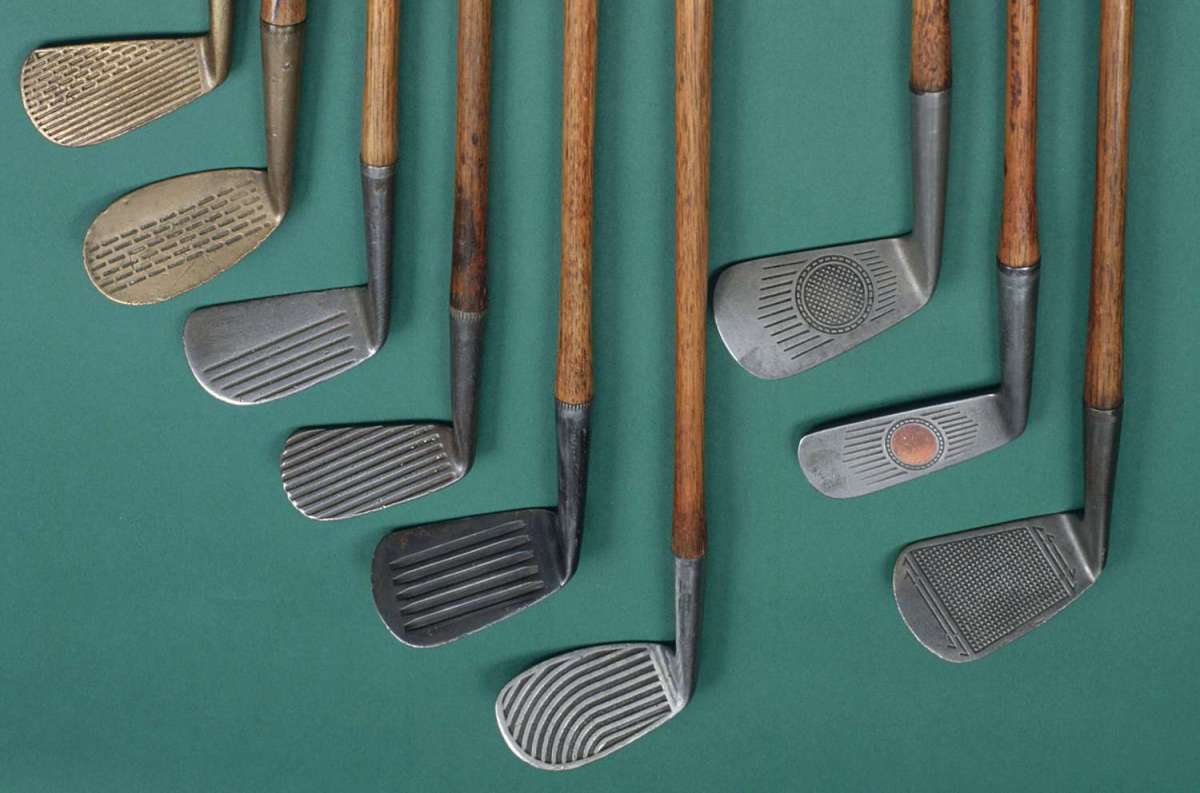
As I write this, my dad is in the hospital for the fifth or sixth time this year…to say that it has been a rough year for him would be an epic understatement. I am just thankful that he has my mom and sister there to help take care of him. Each “stay” in the hospital is more difficult than the last. He’s 91 so the recovery time isn’t the same as someone half his age. In fact, we have a running joke. When he feels like he just can’t do the things he did decades ago, I jokingly remind him of his age by saying “#91”. This has been going on for better than five years. I know this because in the beginning it was #86, and when he turned 88, it was #double ocho (ocho being the Spanish word for 8). So, this past year I’ve been thinking a lot about my dad and the things he handed down to me.
I have his old band saw sitting in my wood shop. I brought that back from one of my visits this year. Another time he showed up and gave me a dozen or so screwdrivers. For the record, I already had at least a dozen, but who doesn’t need more screwdrivers? He has given me some of his wood clamps, a router table, table saw blades, craft magazines, and project plans. I’ve used all of them. But I am not referring to those things. The things I am writing about are not physical items. What I have been thinking about lately is infinitely more important than a Phillips head screwdriver or carbide-tipped saw blade.
Because of that, for the next several weeks I am going to put down on paper (or rather blog page) those things I learned from my dad. Some things he intentionally taught me…others I learned from watching him, even when he didn’t know it. I want to do this in a rather unique way. I want to equate these incredibly important life lessons to playing a round of golf, with each hole being a different life lesson I’ve learned from the greatest man I know.
Before we step up to that first tee and address the ball (if you are not familiar with the game of golf, addressing the ball means lining up the shot and mentally preparing to hit it), I want you to realize every golfer falls into one of three categories. The first category includes those that show up to the course an hour or two before their tee time. Some golfers head to the practice putting green, some make their way to the driving range, and others grab their wedges and go to the chipping area. Those that are serious about their game do all three. Those are the smart ones. The second category includes those that show up with a comfortable amount of time to spare. They might mess around on the putting green for five or ten minutes, get a snack, and then head to the #1 tee. Then there are those who you can see from a distance, traveling at light speed to get to the parking lot, where they barely have the car in park before they are jumping out, running around to the trunk, grabbing their clubs, racing to the #1 tee box while simultaneously trying to change into their golf shoes, and finally arriving out of breath, all while their playing partners are standing there shaking their heads in utter disbelief at what they just witnessed. They tee up the ball, take one practice swing, and then channeling their inner Tiger Woods, proceed to hit the ball. As much as they want that ball to sail down the middle of the fairway, it doesn’t. Instead, it balloons off into the woods on the left. I can neither confirm nor deny that I know this from experience. However, like I said, the smart ones take the time to prepare themselves, practice some shots they know they will have on the course.
My dad wanted me to have all the “tools” and the knowledge of how and when to use them. He could have just told me good luck on trying to figure life out. Too many fathers do just that. But he didn’t. Unknowingly at the time, he did what Proverbs 22:6 instructed him to do, “Train up a child in the way he should go, and when he is old he will not depart from it.”
You want to know how important it is to have good instruction from fathers? You want to know how critical the instruction is that will impact lives in a positive way for their children, and their children’s children? Look with me at 1 and 2 Kings in the Old Testament. Beginning in 1 Kings 12, we start the journey of a long narrative of rulers over Israel. When a king dies, usually the first-born son assumes the leadership mantel. And it goes something like this, “Now Nadab (or insert any one of the 30 kings like him) became king over Israel in the second year of Asa king of Judah, and he reigned two years. And he did evil in the sight of the Lord, and walked in the way of his father.” Now when it says that he walked in the way of his father, it does not mean that the son had a gimp leg like his dad. No, it means he continued to commit the same atrocities he learned from a son’s greatest teacher…his father. And it didn’t stop with one generation. It kept going. It was cyclical. Someone new came along, killed the king, and took his place…and did evil. On and on it went. Thirty times to be exact. It became so bad, that there were times when someone out of left field entered the story, killed off the king and took his place. Of course, there was always someone over the horizon waiting for their coup moment. That’s when you know there exists a failed culture. But just when you’ve about lost all faith, a good king arrives. He does good things, restores hope, and rules justly. In the narrative of the kings, this only truly happens four times (there are another five kings who did some things justly, but not to the level of the four righteous kings).
So, now that you understand how imperative it is that a father’s message to his children is done to prepare them for success in life, we are ready to start our round. See you in a few days. Next stop…#1 tee box.
 Faith, Leadership, and History